
Clinical simulation for counselor training

Build Clinicians Who Show Up Ready

Learn with Therify gives counseling students the structured practice they need to master foundational skills, so they can be present with real clients instead of stuck in their heads.

Diverse Scenarios. Real Clinical Complexity.

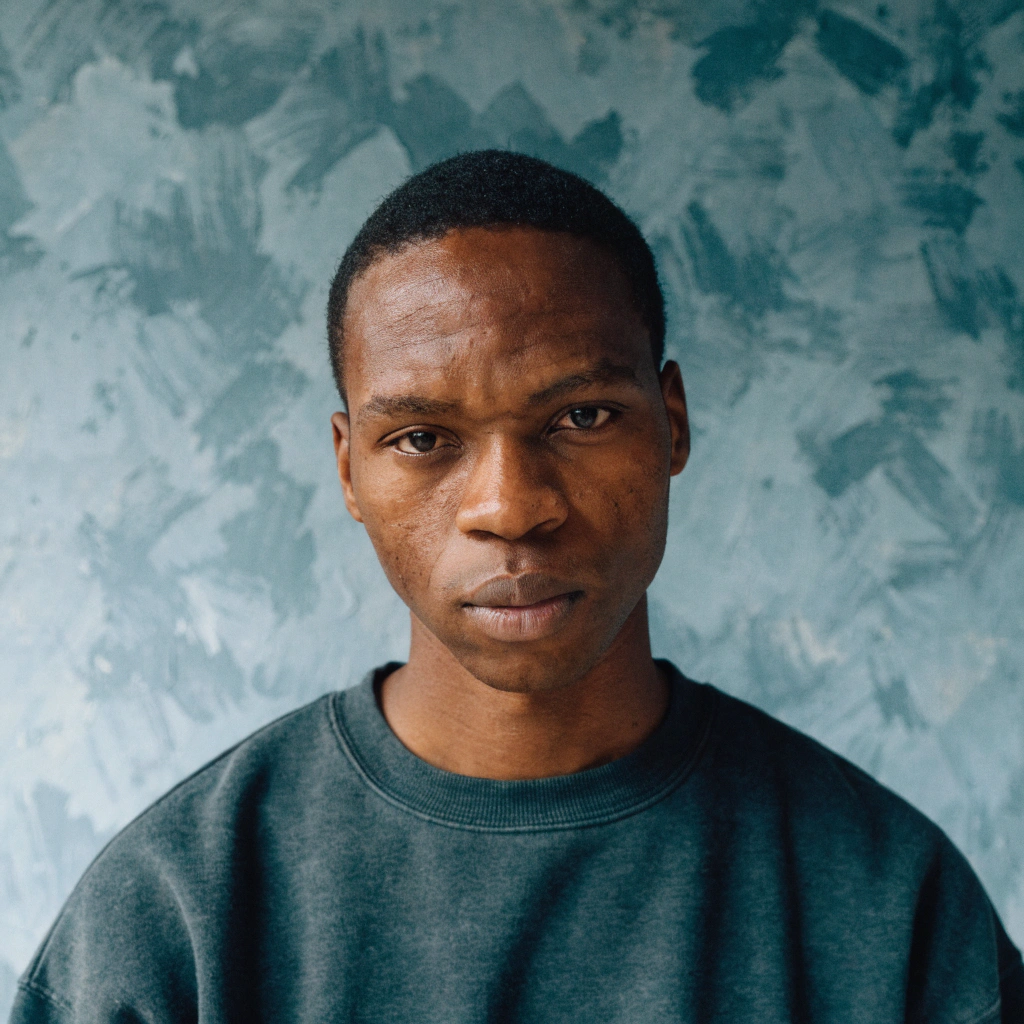
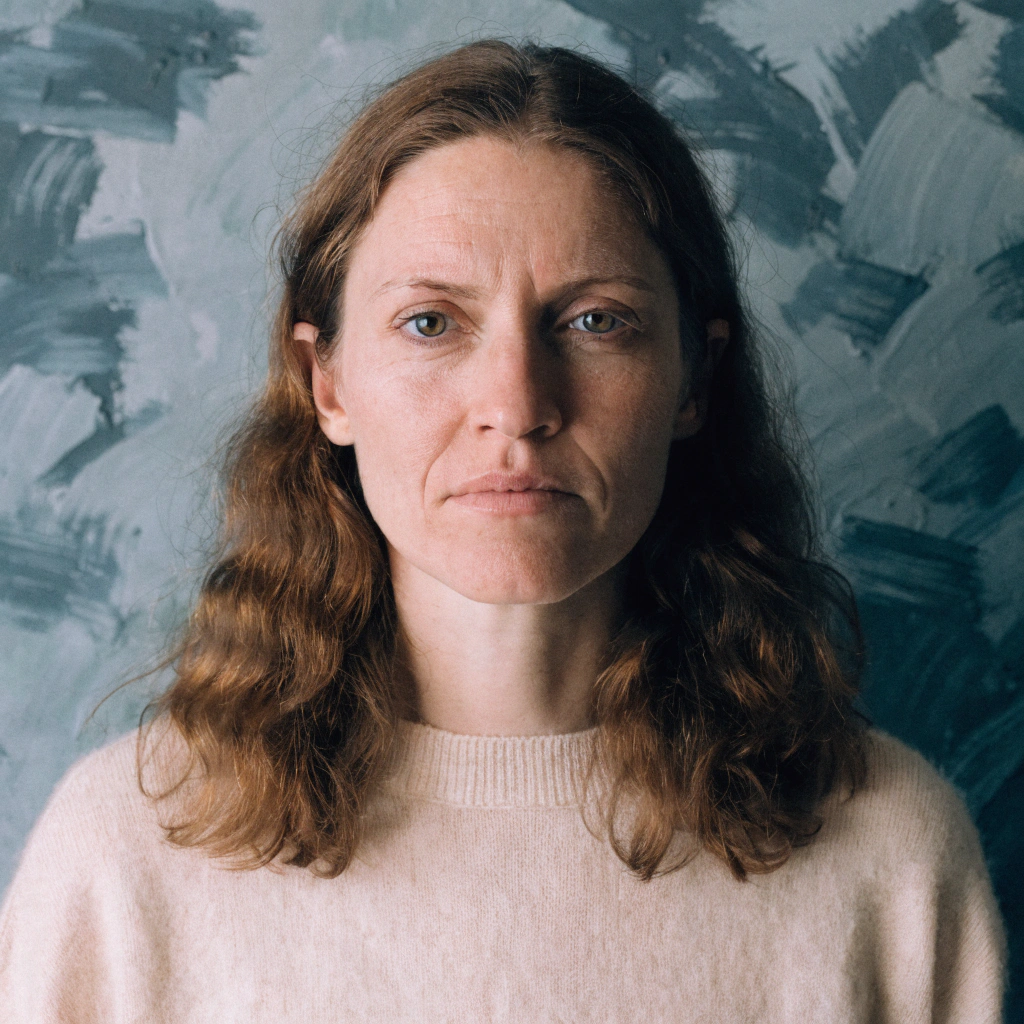
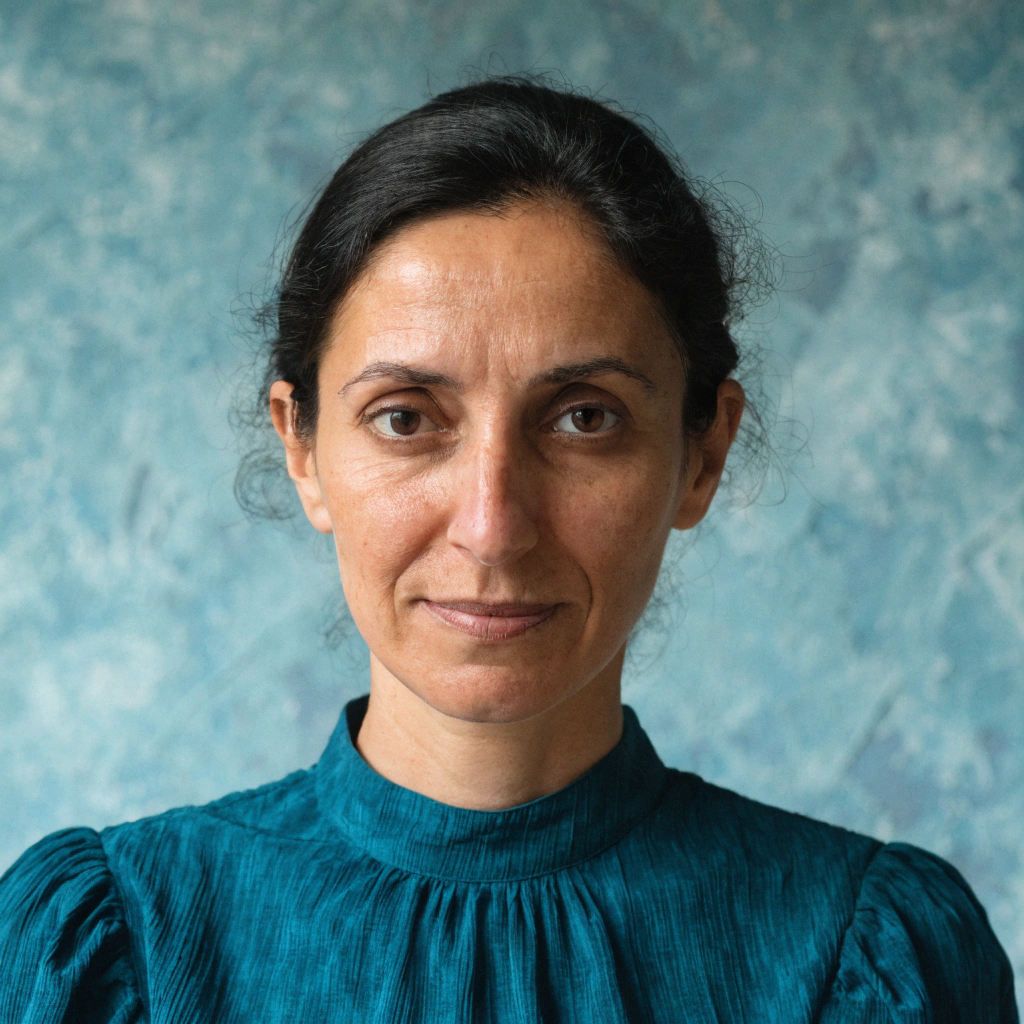
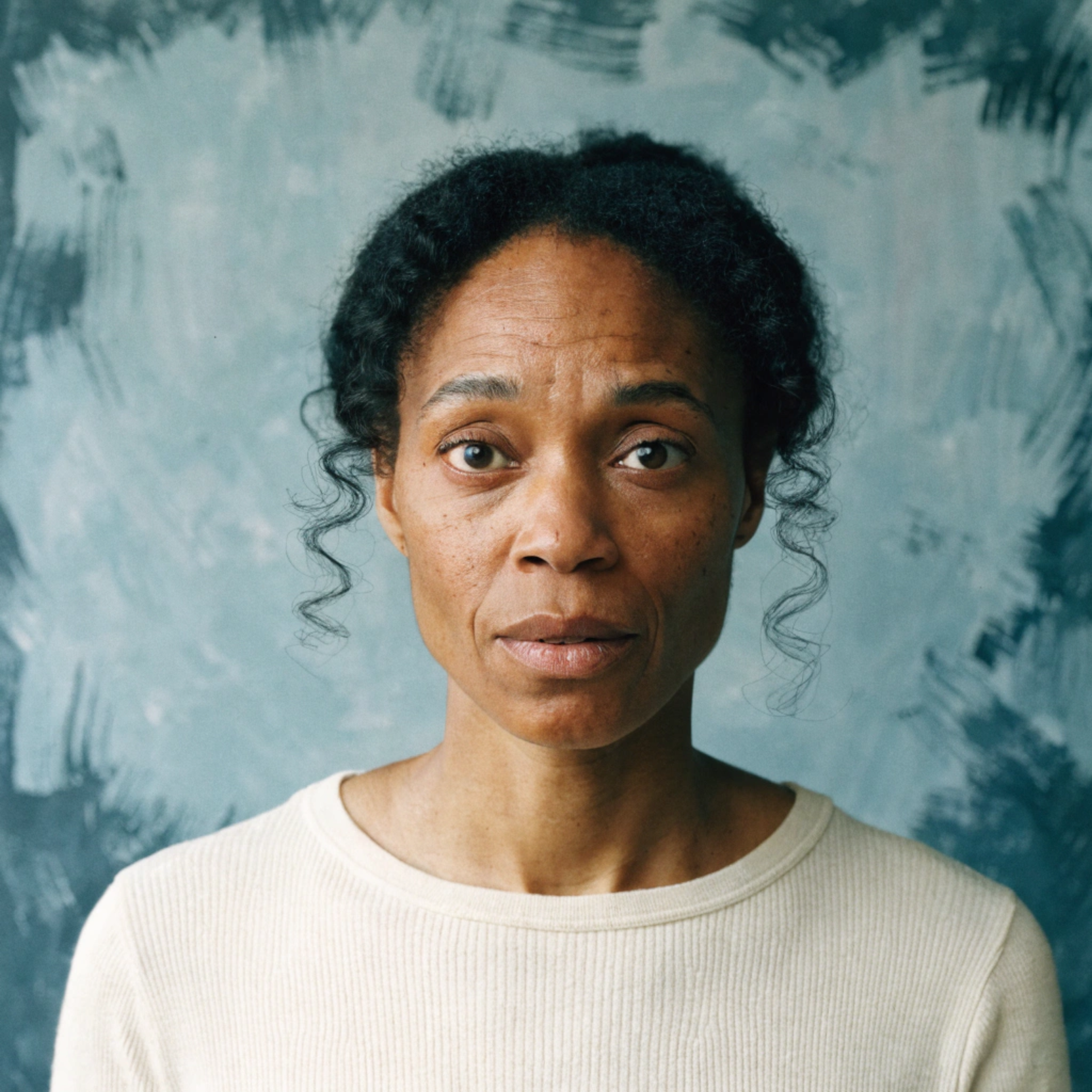
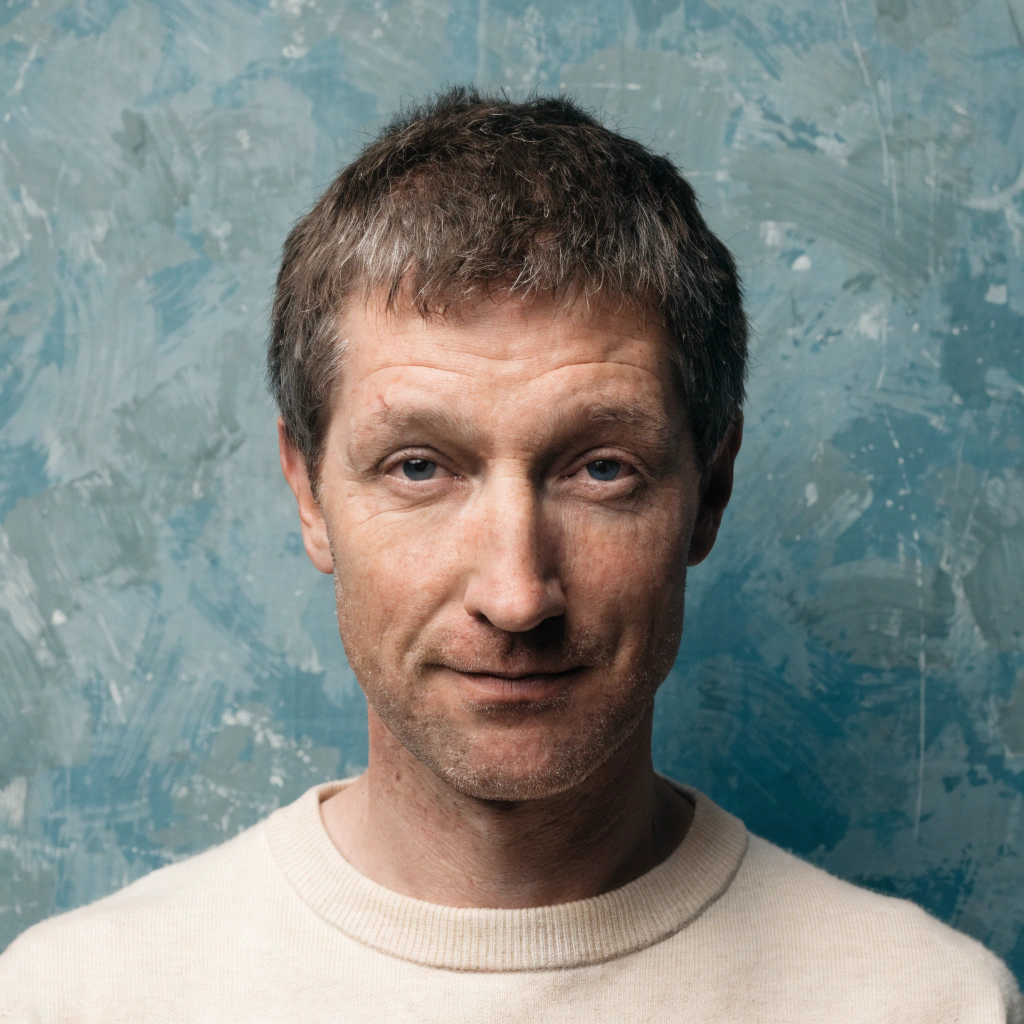
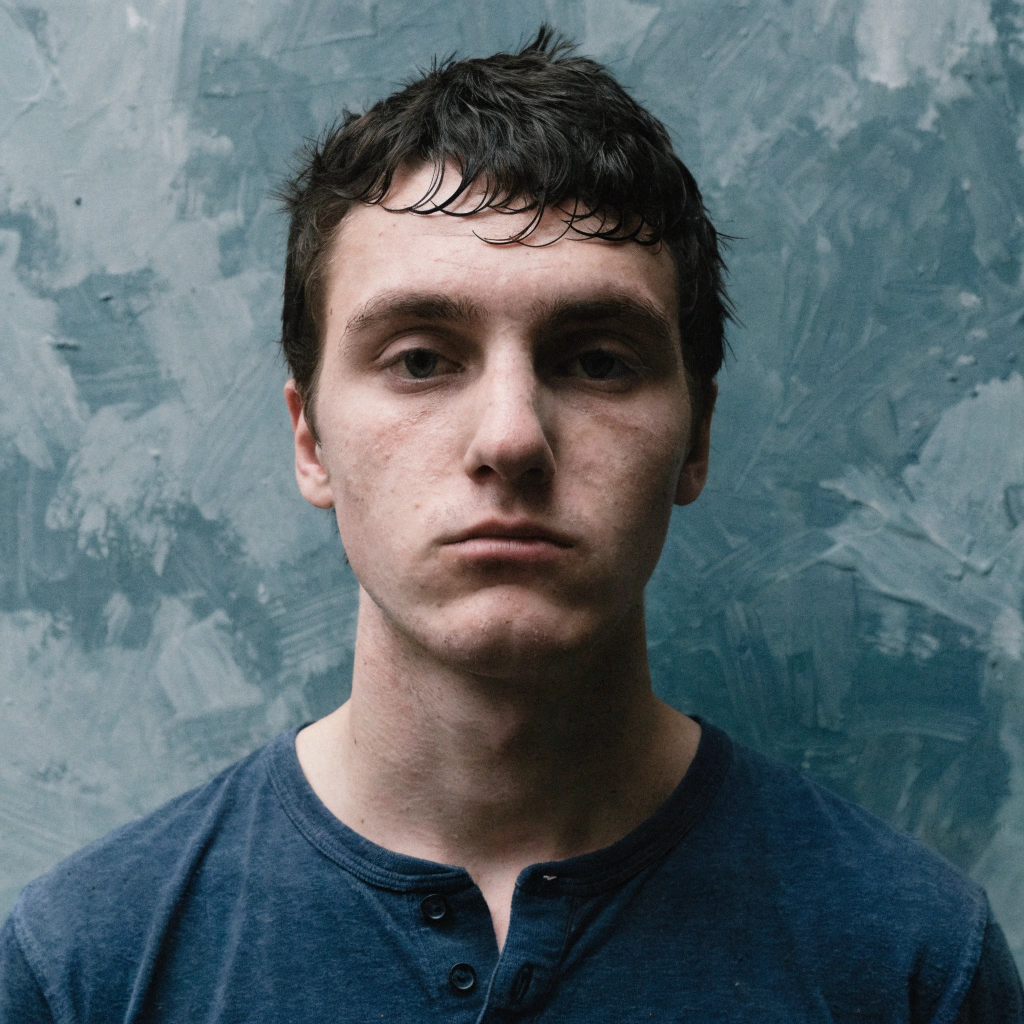
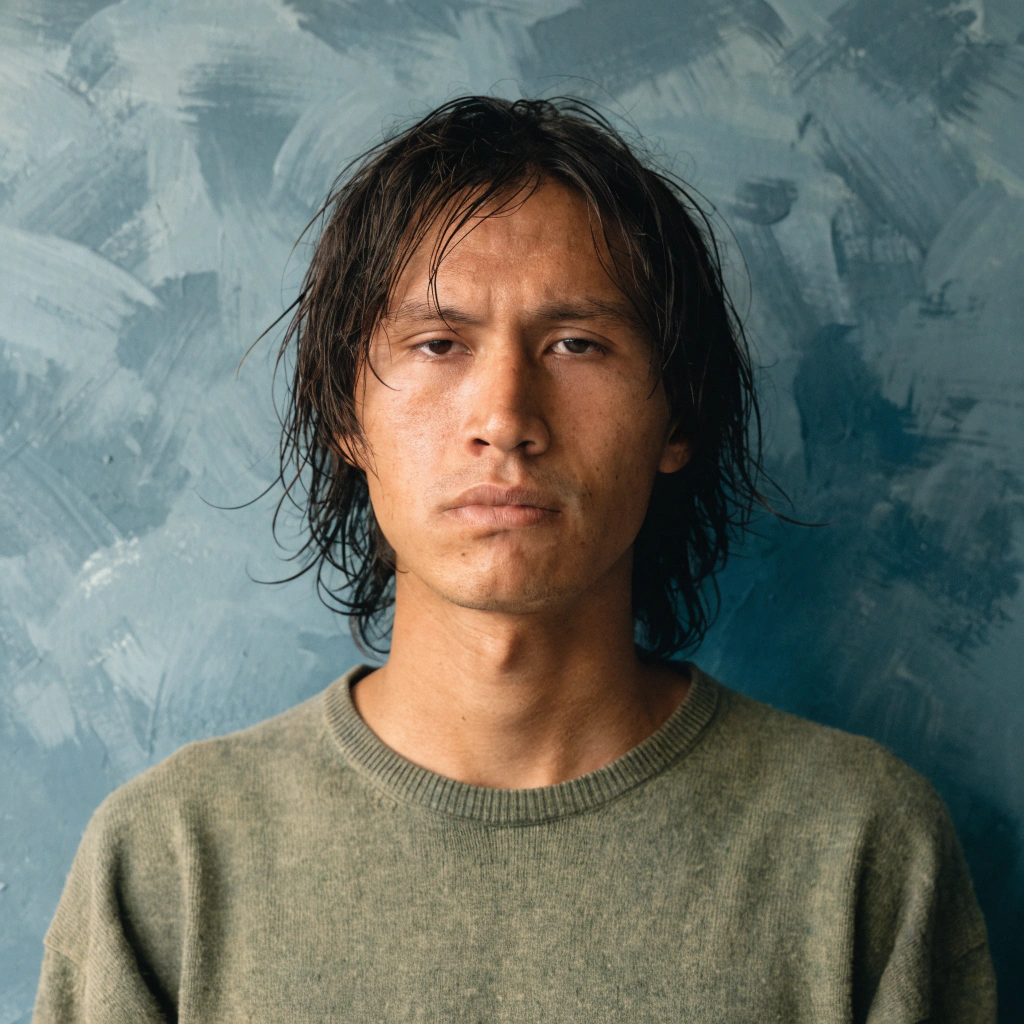
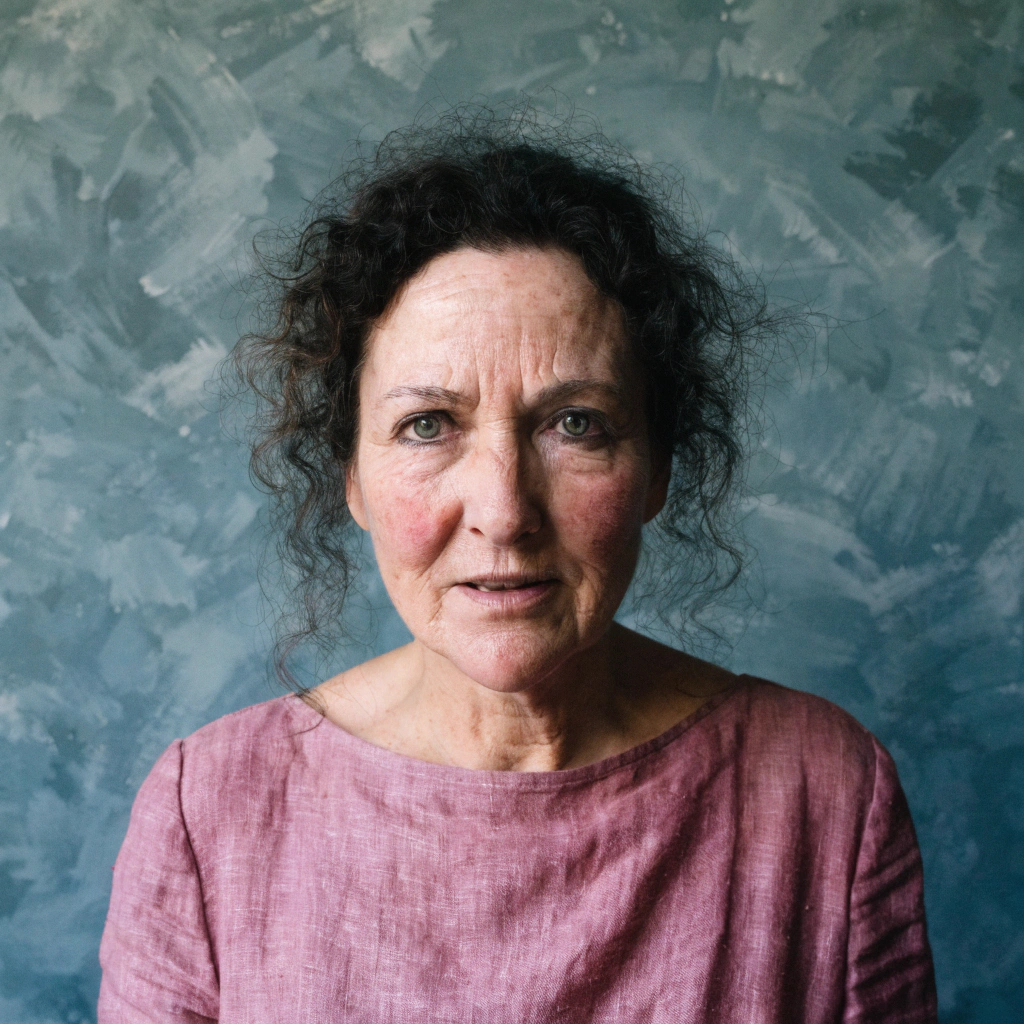
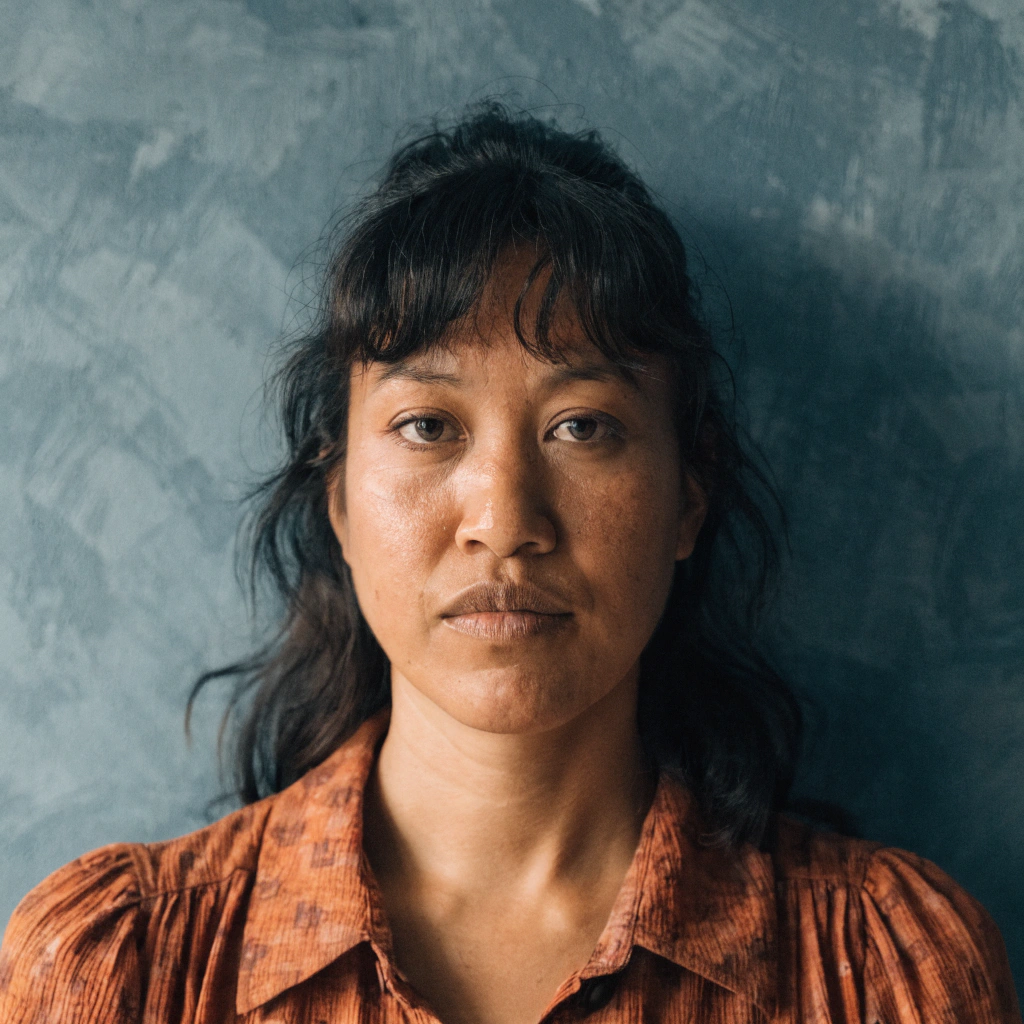
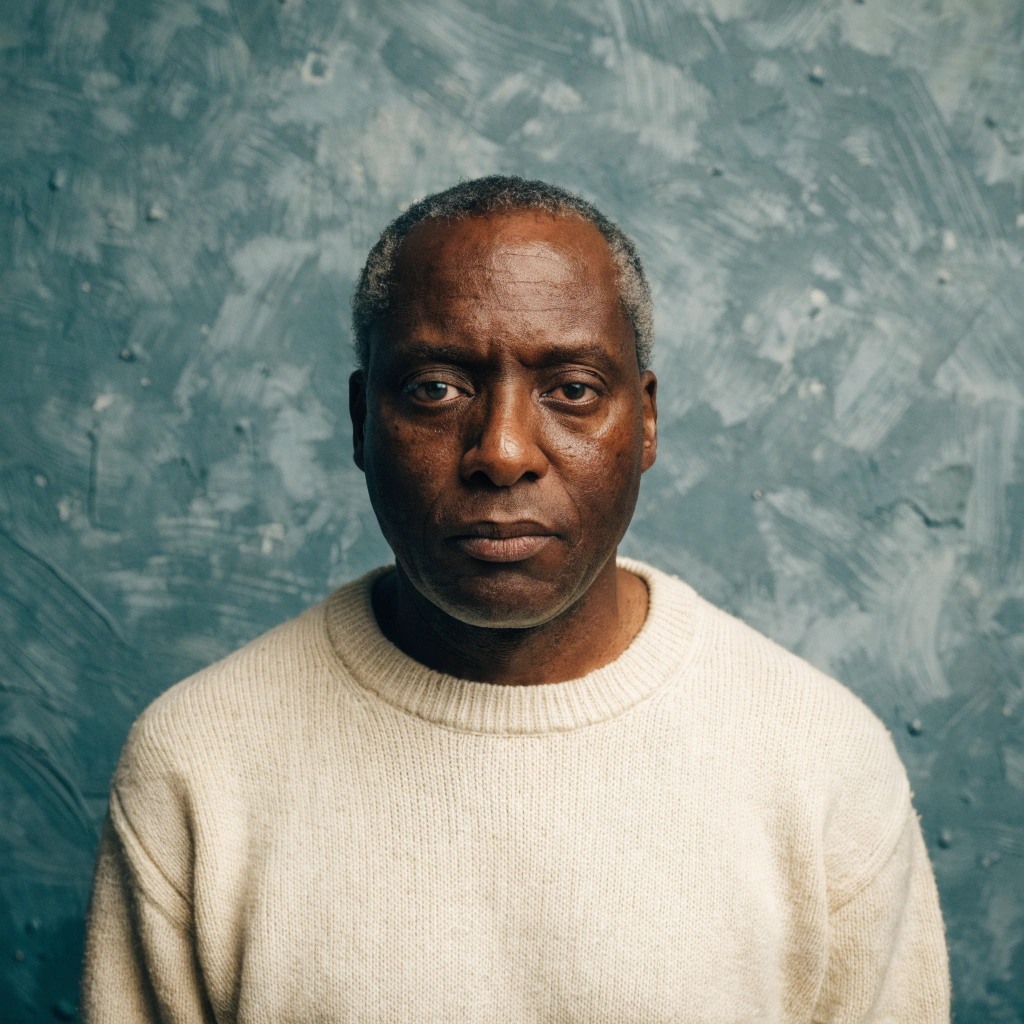
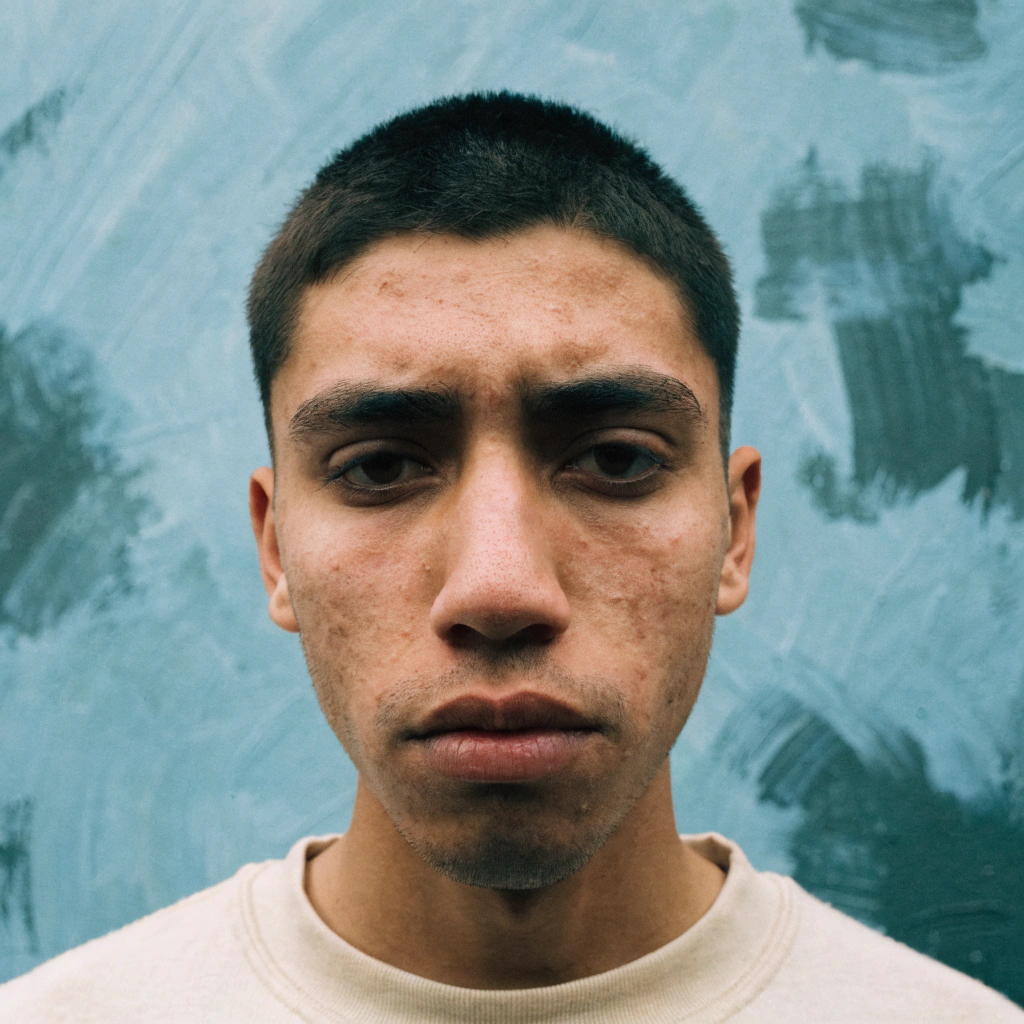
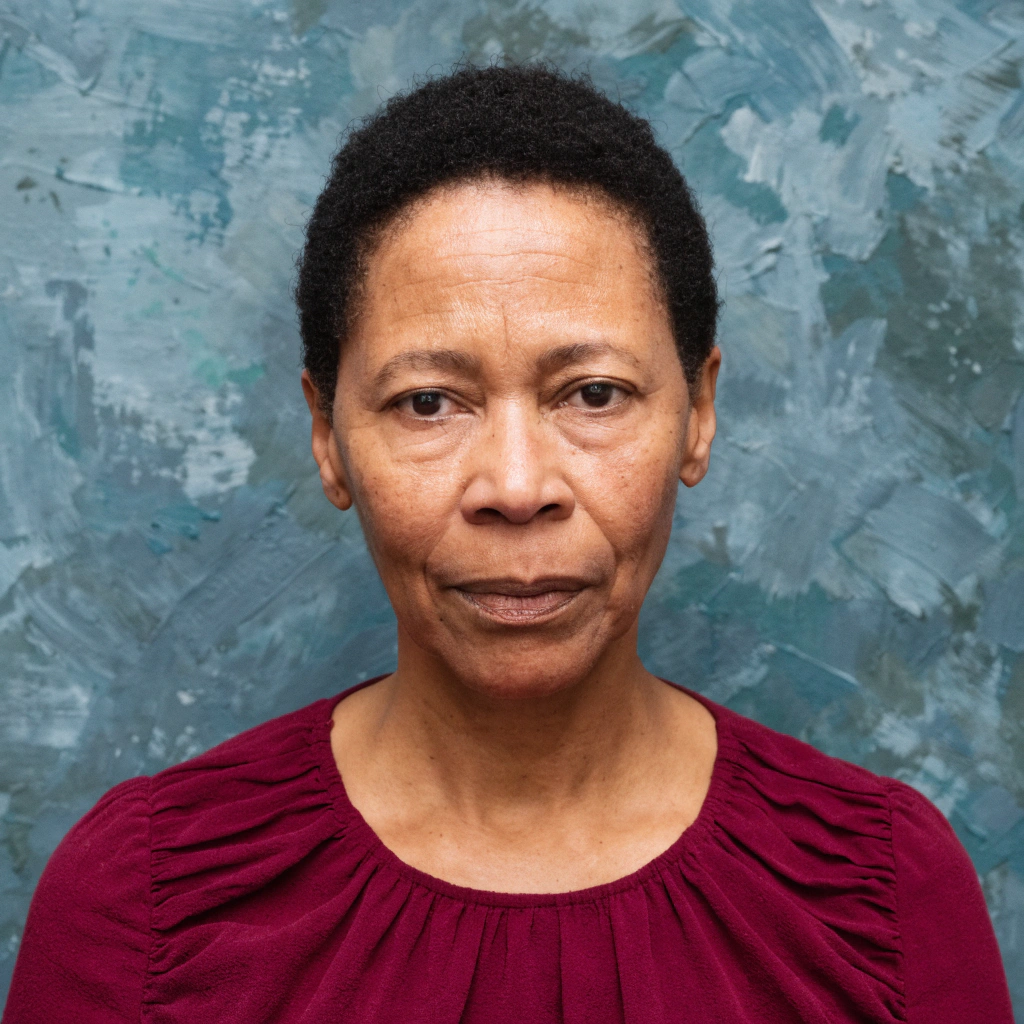
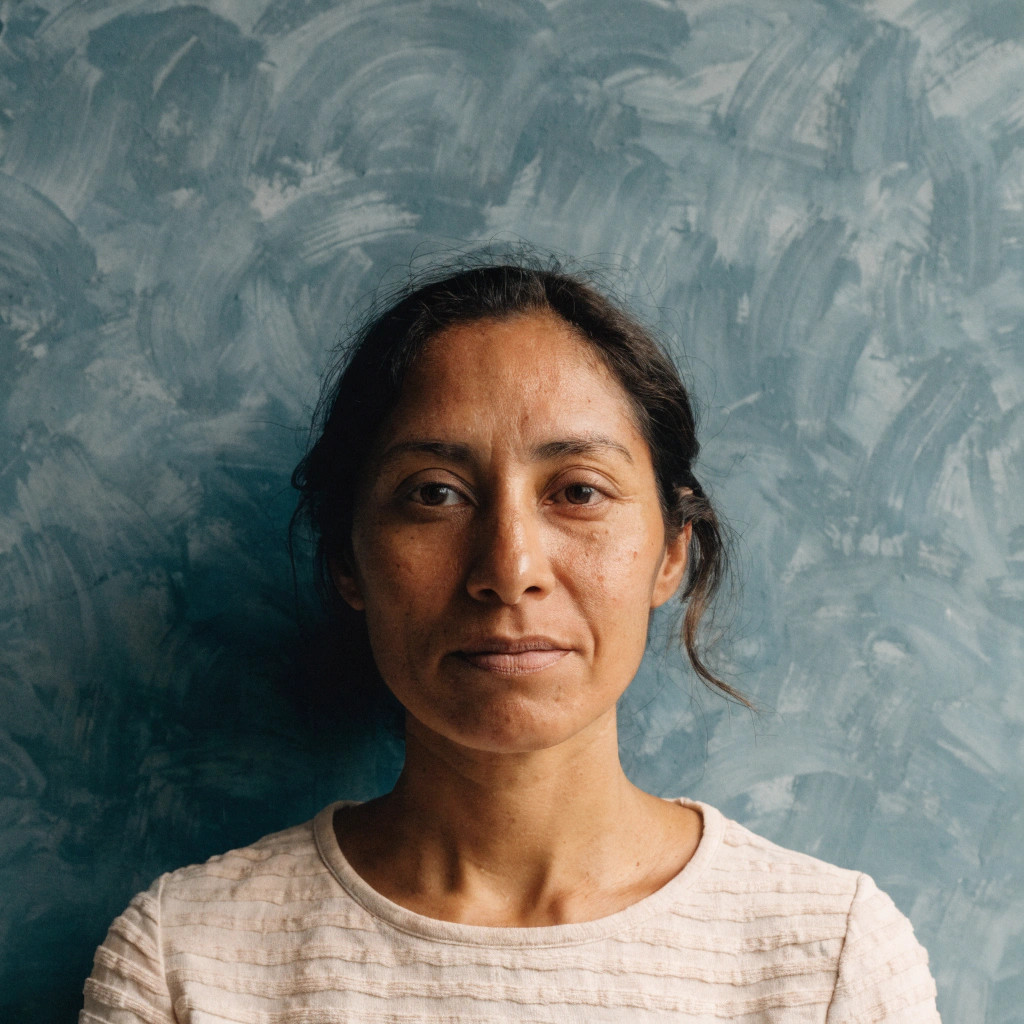
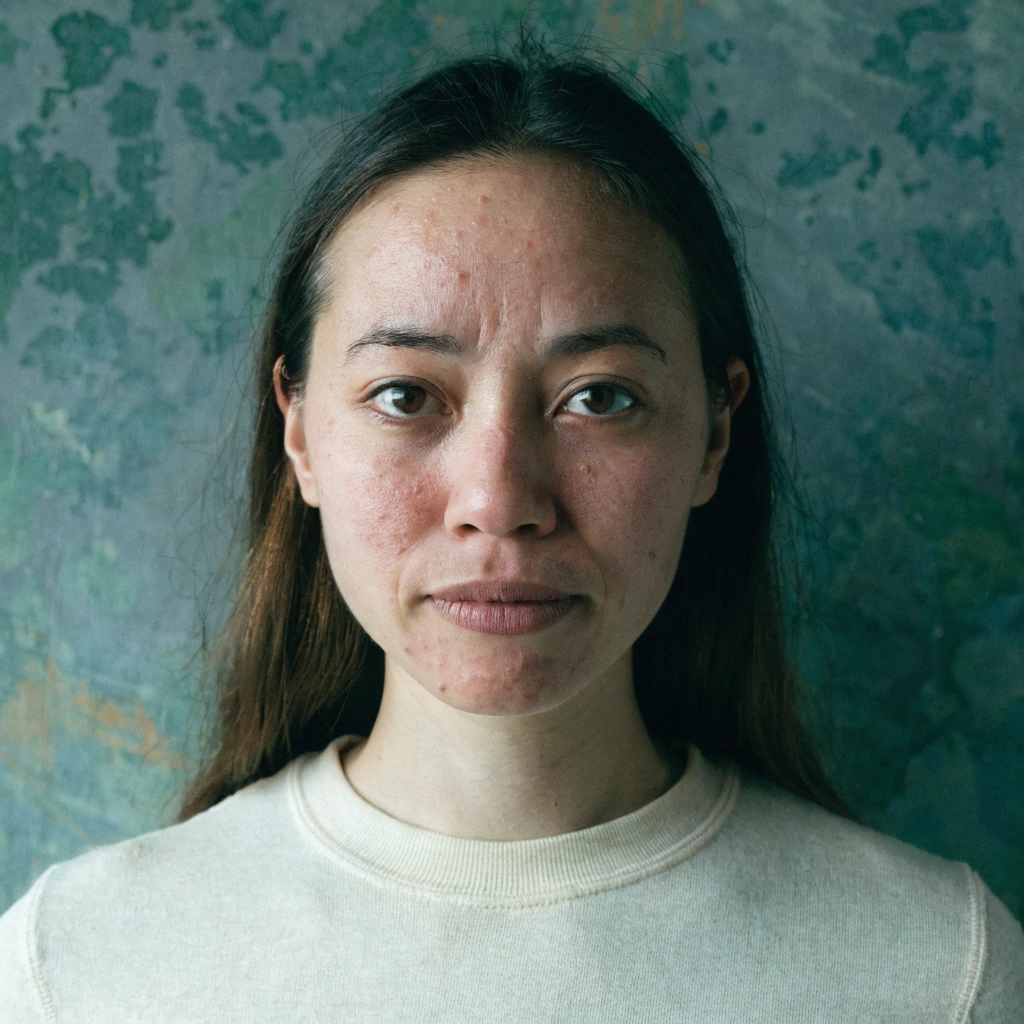
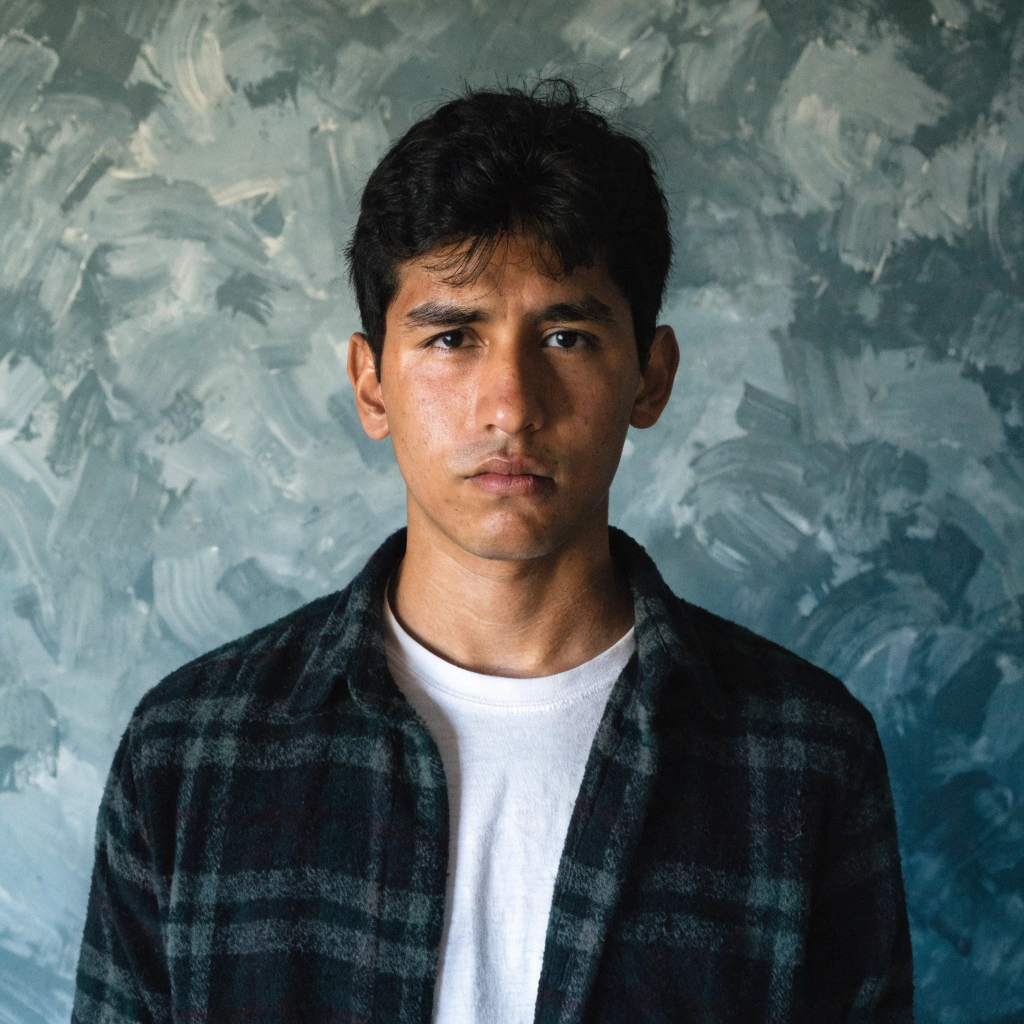
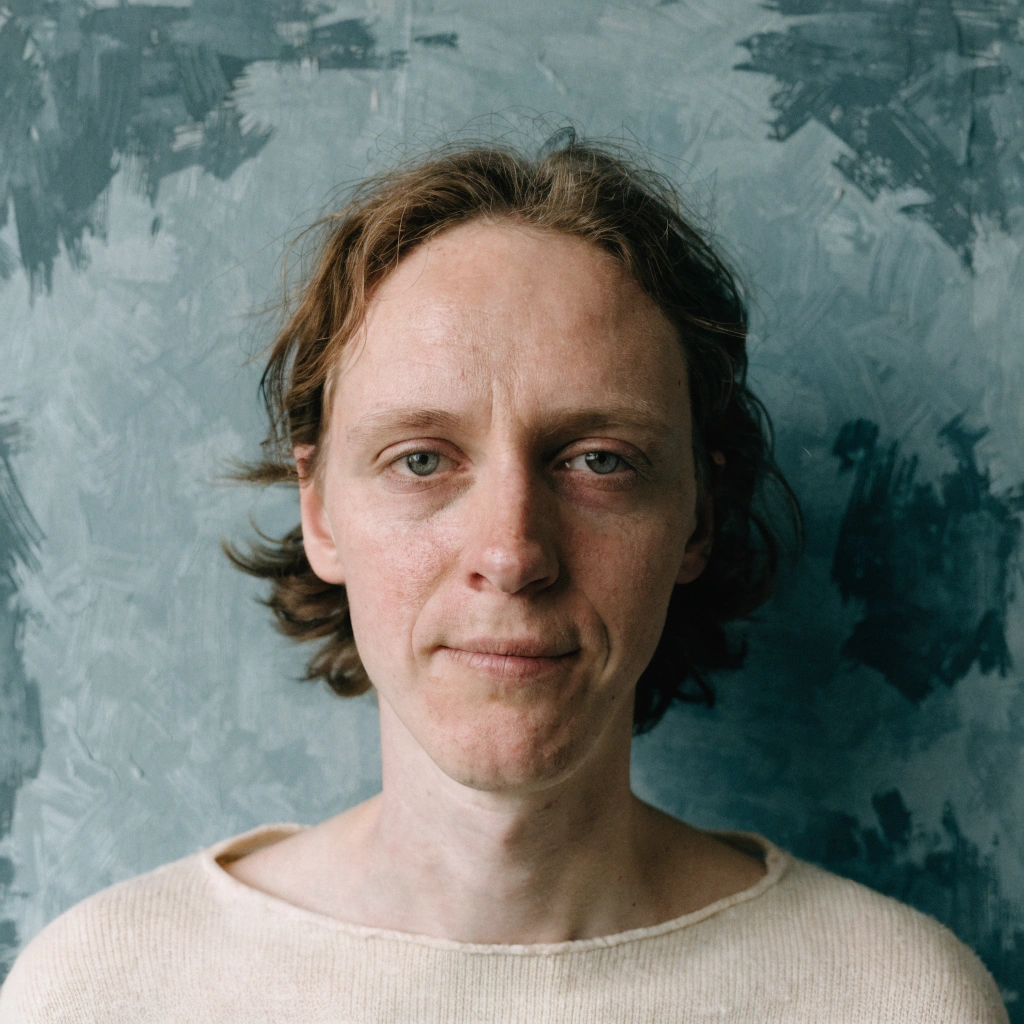
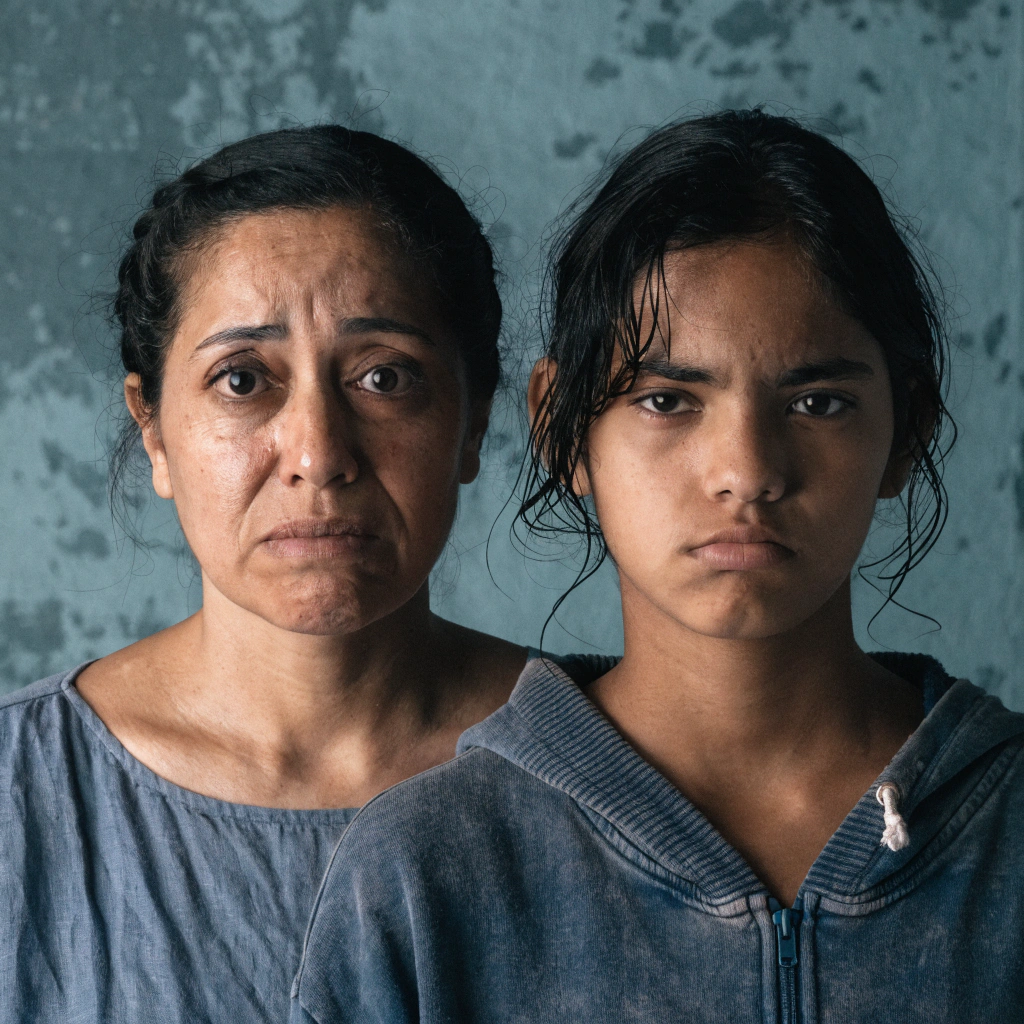
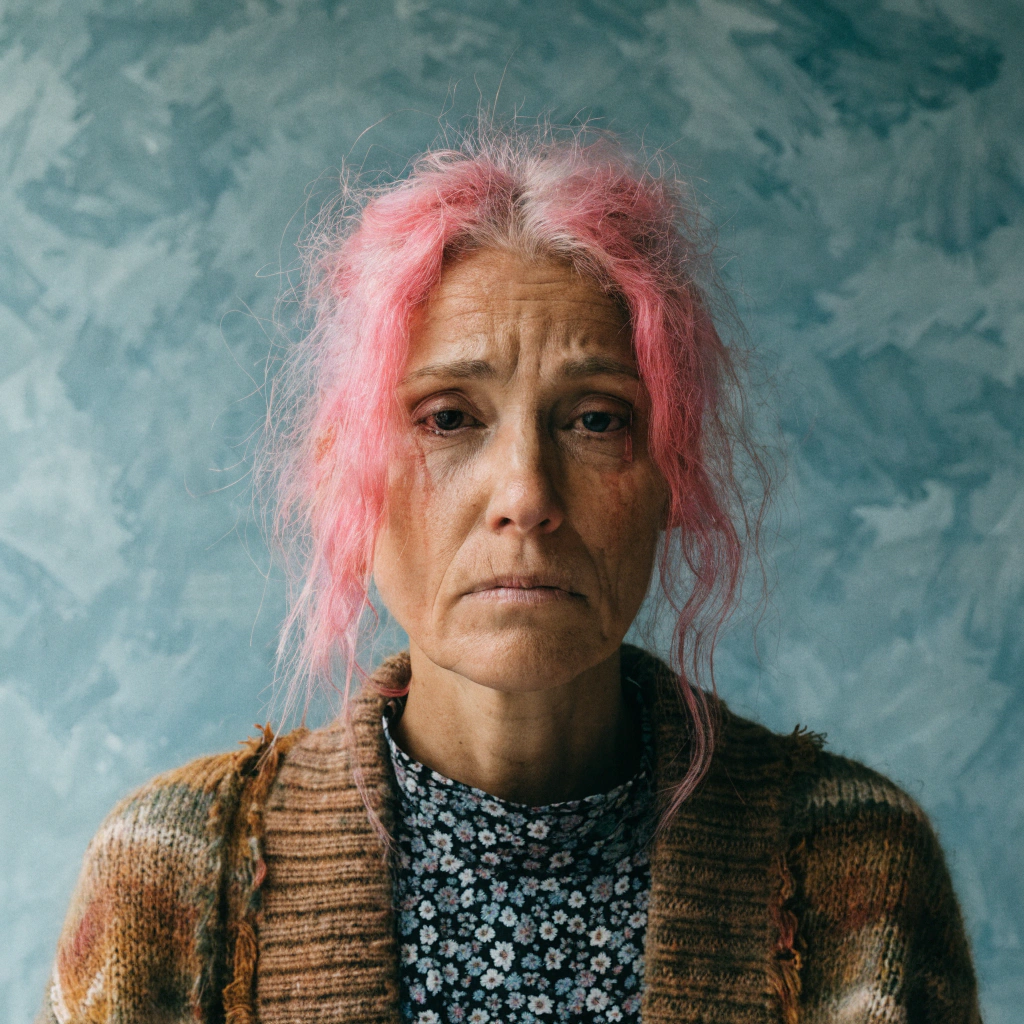
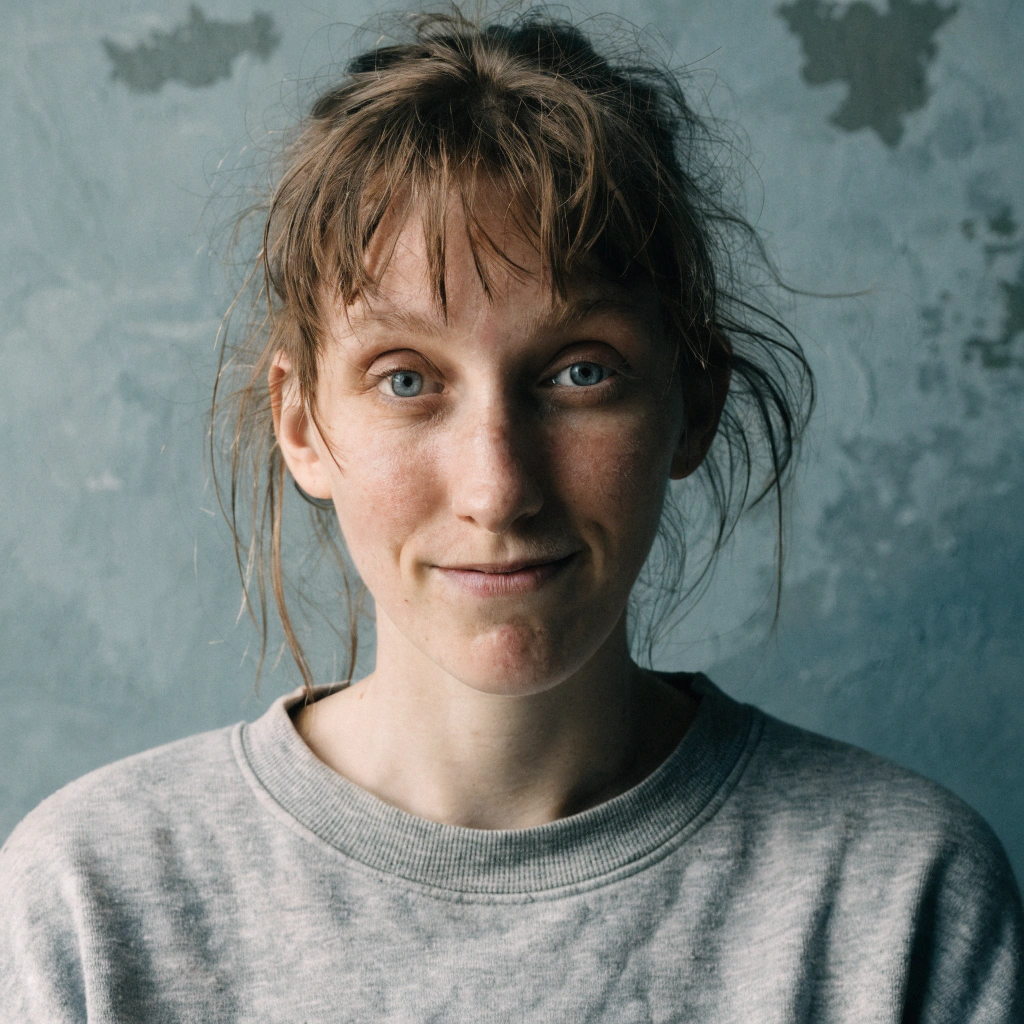
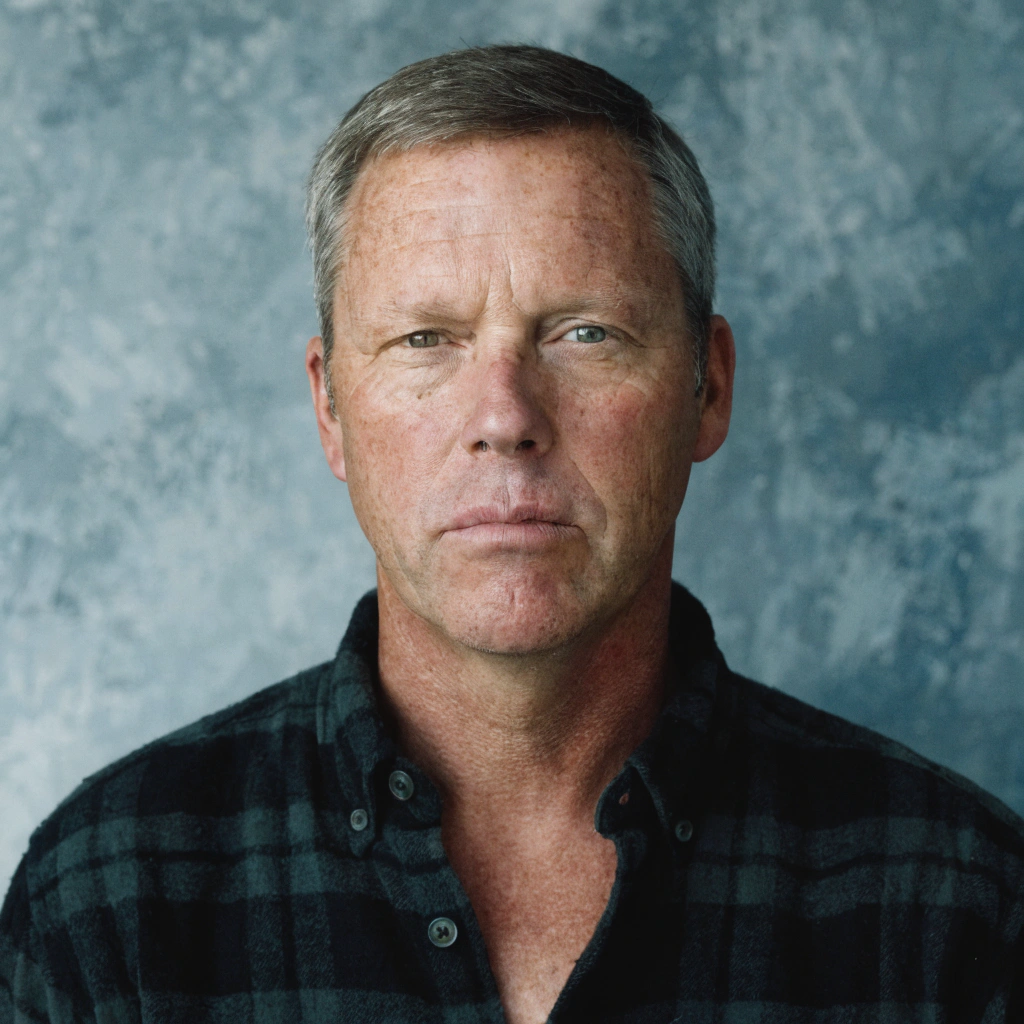
Each AI client brings a distinct identity, background, and presenting concern. Students encounter the range before practicum, not during it.

Persona 1
Persona 2
Persona 3
Persona 4
Persona 5
Persona 6
Persona 7
Persona 8
Persona 9
Persona 10
Persona 11
Persona 12
Persona 13
Persona 14
Persona 15
Persona 16
Persona 17
Persona 18
Persona 19
Persona 1
Persona 2
Persona 3
Persona 4
Persona 5
Persona 6
Persona 7
Persona 8
Persona 9
Persona 10
Persona 11
Persona 12
Persona 13
Persona 14
Persona 15
Persona 16
Persona 17
Persona 18
Persona 19
Persona 1
Persona 2
Persona 3
Persona 4
Persona 5
Persona 6
Persona 7
Persona 8
Persona 9
Persona 10
Persona 11
Persona 12
Persona 13
Persona 14
Persona 15
Persona 16
Persona 17
Persona 18
Persona 19
Persona 1
Persona 2
Persona 3
Persona 4
Persona 5
Persona 6
Persona 7
Persona 8
Persona 9
Persona 10
Persona 11
Persona 12
Persona 13
Persona 14
Persona 15
Persona 16
Persona 17
Persona 18

The skills were never the goal. Showing up for the client is.

Give Students the Reps They Need to Find Their Voice

Students who are still worrying about technique can't be present with a client. Learn with Therify lets them drill foundational skills through realistic simulation, so by the time they reach practicum, those skills are second nature and the real clinical work can begin.

Alex Chen

Full Sessions, Not Fragments

Students practice complete counseling conversations with AI clients who respond dynamically to their approach. From initial interviews to rupture and repair, each session reflects the complexity of real clinical encounters, so students build fluency, not just familiarity.

Reports
Quick search
CACREP Student Hours Completion ReportRun Report
Site and Superior Coverage ReportRun Report
Disposition Review Summary ReportRun Report
Issues and Incident Log (De-Identified)Run Report
Key Performance Indicators Trends ReportRun Report

Built for Every Program, Every Modality

Whether your students are online, hybrid, or on campus, clinical skill development shouldn't depend on who they can find to practice with. Learn with Therify gives every student a clinically grounded practice partner, available on their schedule, with faculty-level oversight built in.

EricClient
4m59s

I don't know... Just when my partner needs space, it feels like they are falling out of love with me and are going to leave.

YouStudent
5m12s

What does 'space' mean to you, and what does it mean to them?

✦ emmeAI Assistant

Excellent use of Socratic questioning. "What does 'space' mean to you" targets cognitive distortion and miscommunication by separating emotional projection from objective reality.

Feedback Grounded in Reflection, Not Just Scores

Every session is transcribed and scored against your program's rubric. But before students see results, they reflect: What did they notice? What felt difficult? What was their intent behind a particular response? This is the step that builds clinical self-awareness, the interior work that distinguishes a competent technician from a grounded clinician.

CCS-R (Counseling)

CCS-R (Counseling)

Counselor Competencies Scale-Revised — assessment of individual counseling skills, therapeutic conditions, and counselor dispositions

1.B
1.C
1.D
1.E
1.F
1.G
1.H
Initial Interview
Risk Assessment
Rupture & Repair
  • Exceeds (4.5–5)
  • Meets (4.0–4.4)
  • Near (3.0–3.9)
  • Below (2.0–2.9)
  • Harmful (1.0–1.9)

Surface the Gaps Faculty Can't See

In distributed programs, clinical skill development happens out of view. The instructor dashboard surfaces where students are stuck across specific competencies and scenarios, so faculty supervision time goes exactly where it's needed, not spread thin across every transcript

Meet emme

Your AI guide to Learn with Therify. Ask about scenarios, platform features, or how to get started.

emme is listening. Ask a question.

What This Means for Your Program

Better tools to identify gaps, surface needs, and support trainees in finding their voice, so they can become the caregivers your program set out to produce.

Make clinical growth visible

Real interactions, transcribed and scored, so you're evaluating demonstrated ability, not submitted artifacts.

Give remediation real structure

Assign targeted scenarios, track performance across sessions, and see observable evidence of growth.

Let students build competence before confidence is required

Structured repetition lets students internalize foundational skills so those skills stop being a source of anxiety.

Reduce the lift for faculty, not the standard

AI handles initial observation and feedback. Instructors focus on the moments where human judgment is needed.

Deja Okafor

Initial interview

Faculty pick
Age
34
Identity
7th grade math teacher, 9th year; Black American
Presenting
Depressive symptoms, anxiety symptoms, complicated grief
Navigating Ambivalence ResistanceCultural Humility Responsive Care

Bring identity into the practice room

Scenarios reflect diverse client identities and lived experiences, because students need to encounter complexity before practicum.
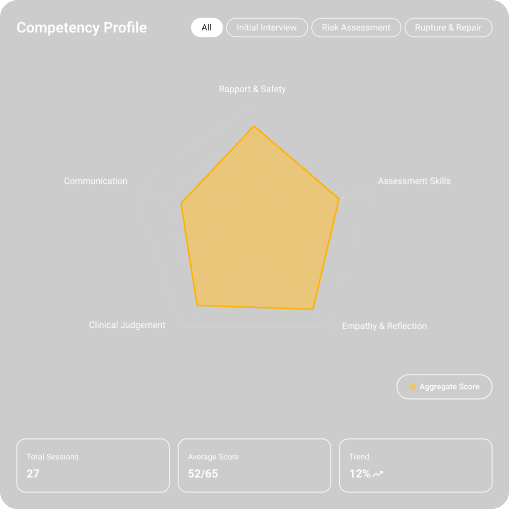
Competency profile dashboard

Support the whole onboarding process, not just the software

We handle LMS integration, instructor training, and day-to-day support so faculty don't carry the adoption burden.

Security certifications including FERPA, SOC 2, LTI, VPAT, and HIPAA

Secure by Design

Built on the same HIPAA-certified infrastructure that powers our employer platform. FERPA compliant. Designed to meet institutional requirements for data privacy, protection, and IT approval.

Frequently Asked Questions

Common questions from program directors, faculty, and clinical training leads.

  • Students interact with an AI-powered client through voice or text. Each client has a detailed persona with psychosocial history, cultural background, and presenting concerns that respond dynamically to the student's approach. Sessions are transcribed and scored against your program's rubric, with results available to both the student and their instructor.